The benefits of peer-support programs at private schools
How these initiatives help students adjust, manage and thrive
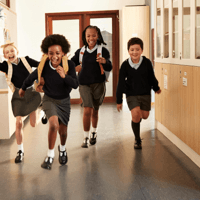
Attending a private school in Canada can be challenging. Between school work, interpersonal dynamics and navigating new social situations, some students may find themselves overwhelmed. To better foster a community environment and prioritize students’ mental health, many private schools offer peer-support programs to help students adjust, manage and thrive.
“It’s about belonging…Students are at a critical point of their development and want reliable, relevant, and honest knowledge,” says Andy Hall, principal of Toronto’s WillowWood School, “the kind that cannot be found in a chat room or via a search engine. Students need to feel heard and supported; otherwise, they lose confidence in their environment and the sense of belonging can be eroded or lost altogether.”
Michelle Barchuk, director of admissions and communications at the Mabin School in Toronto, agrees. “A child must feel comfortable and included before they are able to take risks, both social and academic, as they build their foundational skills as learners,” she says.
What are peer-support programs?
Whether it’s after-class tutoring, semester-long mentoring, or just having a “buddy” with whom to talk through problems over lunch in the cafeteria, peer-to-peer support at private schools involves students helping their fellow students. These initiatives are student-led, often with a faculty adviser or professional oversight, and are designed to help with managing academic, social and mental health challenges. “Formal mentoring occurs in both individual and group settings across all age groups at our school,” Hall says. “High School students, specifically, have access to our Student Support Counsellor, who provides a safe, comfortable and welcoming environment in which to process an issue they may have.”
How do they work?
Private school peer-support programs have many permutations: some are one-on-one and others are in group settings; they can be informal and flexible, or structured; they might be extracurricular or take place during class; and some require student leaders to undergo formal training, especially for initiatives related to mental health. Frequently, they involve older students assisting their peers in younger grades. “Our peer-focused programming is just one of the ways we help students in all grades develop empathy, leadership and problem- solving skills right from the start,” says Barchuk. “Classes pair up as reading buddies, we offer student-led clubs, and classes will often partner with each other on field trips.”
What are the benefits?
These programs boost connection, reduce isolation, and aid in students’ personal growth. They can help combat loneliness or homesickness at boarding schools, improve grades, facilitate social integration, and enhance a private school student’s overall sense of well-being. A 2022 study by the Canadian Journal of Health Technologies also found that peer-based support programs for youths can provide valuable coping strategies, and can help reduce the stigma that might be associated with seeking help for mental health issues. Barchuk believes the skills students acquire are invaluable. “They’re vital, both inside and outside the classroom,” she says, “as we prepare our students for an unpredictable world where they can shine as original thinkers, adaptive leaders and, perhaps most importantly, caring citizens.”
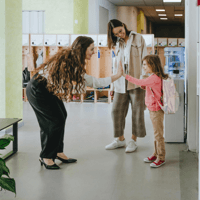
Between interviews, transcripts, personal essays, reference letters, entrance exams and more, the admission process at private schools in Canada is typically comprehensive and competitive. “Admission decisions are made, often, over the period of a few weeks, with countless data points and factors being considered by a committee of individuals,” explains Hilary Riley, director of admissions and enrolment management at the York School in Toronto. “We do not come to these decisions quickly or...
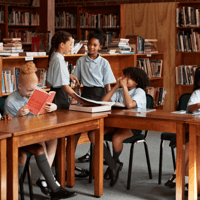
In Canada, the term “private school” is a broad umbrella, and the choices for parents considering sending their child to a private school are vast. All private schools have the same core ingredients—small class sizes, a strong focus on academic achievement, a rigorous curriculum, and exceptional teachers—but different types of schools have their own unique features and benefits. Boarding schools At boarding schools, students and staff live on campus, creating an immersive, all-encompassing...
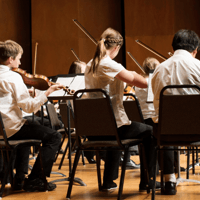
Known around the world for their top-notch education, private schools also provide an environment of nurturing a student's creativity so that artistic-minded children can learn, grow and excel. Whether it’s painting, acting, ballet, singing, animation, music or just about any other creative pursuit, the arts education provided by private schools allows artistically inclined students to hone their skills, develop their craft, showcase their talents, and fully embrace their passions.Multiple...
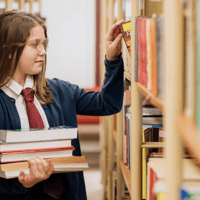
Many private school admissions teams in Canada cite the importance of ensuring a school is a “good fit” for a prospective student, and vice-versa–but what does that actually mean? Is it just about academics, and being able to meet the demands of the school’s rigorous curriculum, or are there other criteria that come into play? Ultimately, it’s not one or the other–it’s both. “The school should have the resources, culture and programming to support that student's academic growth, emotional...

Private schools in Canada are renowned for providing a worldclass education by creating the perfect environment for academic excellence—one that combines rigorous course work with abundant resources to support learning, and promoting intellectual and social growth. “We set high expectations and encourage independent thinking and a lifelong love of learning,” says Jennifer Baldassare, director of admissions at Lynn-Rose School in Mississauga, Ont. “Students are consistently supported and...
Attending a private school in Canada can be challenging. Between school work, interpersonal dynamics and navigating new social situations, some students may find themselves overwhelmed. To better foster a community environment and prioritize students’ mental health, many private schools offer peer-support programs to help students adjust, manage and thrive.“It’s about belonging…Students are at a critical point of their development and want reliable, relevant, and honest knowledge,” says Andy...