How to ace the private-school admissions process
The dos and don’ts that can help boost your child’s odds of getting in
Between interviews, transcripts, personal essays, reference letters, entrance exams and more, the admission process at private schools in Canada is typically comprehensive and competitive. “Admission decisions are made, often, over the period of a few weeks, with countless data points and factors being considered by a committee of individuals,” explains Hilary Riley, director of admissions and enrolment management at the York School in Toronto. “We do not come to these decisions quickly or easily.” It can be a stressful time for parents and prospective students alike, but following a few simple dos and don’ts can help you impress admissions officers and improve the chances of earning an offer of acceptance.
DO
Start early
Amber Way, head of school at Linbrook School in Oakville, Ont., says there’s no such thing as applying too early. “If a family is interested in attending a school, it’s important for them to engage in the application process in a timely manner,” she says. “Waiting until the spring or summer [for] will reduce the likelihood of a space being available.”
Learn about the school
Do your homework before your child meets with the admissions team. “While the websites and glossy brochures can tell you a lot,” Riley notes, “the only way you get a true feeling about the school and its community is by visiting. Book a private campus tour, ask questions of students and faculty, and see the school in action.”
Involve your child
Since they’ll be the one actually attending the school, your child should be an integral part of the admissions process. “When visiting schools, bring your child,” says Way. “Providing this opportunity can increase their comfort level prior to coming for a classroom visit. Witnessing your child’s initial response to an environment can also help you narrow down schools.”
DON’T
Miss any deadlines
Adhere to all deadlines set by the school. No exceptions. “Deadlines and requirements are clearly outlined—please take these things seriously!” Riley says. Gather and submit all the necessary materials, and show up for all appointments, on time. Early is even better.
Over-prepare
Be careful not to send your child into the admissions interview with overly rehearsed answers. “Schools want to get to know your child and your family as authentically as possible,” Riley says. “It’s much more fun—and memorable—talking to a student who gets excited sharing about their latest Lego masterpiece than an over-scripted student who tries desperately to memorize an introductory monologue.”
Lose hope
If your child doesn’t receive an acceptance letter, try to take it in stride...then try again. “Consider asking the school for feedback about your child’s application,” Riley suggests. “Often, schools will encourage a re-application.” Way agrees. “When a student doesn’t receive an offer of admission, take note of the suggestions you are given and follow through on everything you can,” she says. “Then be sure to apply again after following those suggestions.”

Between interviews, transcripts, personal essays, reference letters, entrance exams and more, the admission process at private schools in Canada is typically comprehensive and competitive. “Admission decisions are made, often, over the period of a few weeks, with countless data points and factors being considered by a committee of individuals,” explains Hilary Riley, director of admissions and enrolment management at the York School in Toronto. “We do not come to these decisions quickly or...
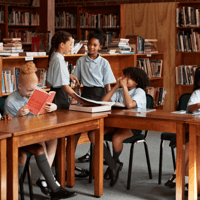
In Canada, the term “private school” is a broad umbrella, and the choices for parents considering sending their child to a private school are vast. All private schools have the same core ingredients—small class sizes, a strong focus on academic achievement, a rigorous curriculum, and exceptional teachers—but different types of schools have their own unique features and benefits. Boarding schools At boarding schools, students and staff live on campus, creating an immersive, all-encompassing...
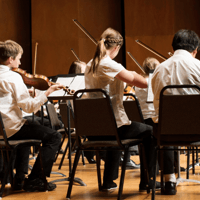
Known around the world for their top-notch education, private schools also provide an environment of nurturing a student's creativity so that artistic-minded children can learn, grow and excel. Whether it’s painting, acting, ballet, singing, animation, music or just about any other creative pursuit, the arts education provided by private schools allows artistically inclined students to hone their skills, develop their craft, showcase their talents, and fully embrace their passions.Multiple...
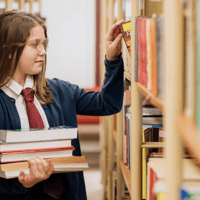
Many private school admissions teams in Canada cite the importance of ensuring a school is a “good fit” for a prospective student, and vice-versa–but what does that actually mean? Is it just about academics, and being able to meet the demands of the school’s rigorous curriculum, or are there other criteria that come into play? Ultimately, it’s not one or the other–it’s both. “The school should have the resources, culture and programming to support that student's academic growth, emotional...

Private schools in Canada are renowned for providing a worldclass education by creating the perfect environment for academic excellence—one that combines rigorous course work with abundant resources to support learning, and promoting intellectual and social growth. “We set high expectations and encourage independent thinking and a lifelong love of learning,” says Jennifer Baldassare, director of admissions at Lynn-Rose School in Mississauga, Ont. “Students are consistently supported and...

Attending a private school in Canada can be challenging. Between school work, interpersonal dynamics and navigating new social situations, some students may find themselves overwhelmed. To better foster a community environment and prioritize students’ mental health, many private schools offer peer-support programs to help students adjust, manage and thrive.“It’s about belonging…Students are at a critical point of their development and want reliable, relevant, and honest knowledge,” says Andy...