The Redemption Tour
We’re not over it, but they are. Six months after that devastating defeat, the Blue Jays are back. Can they finish what they started? Dispatches from the dugout
Vladimir Guerrero Jr. was alone. In the early hours of November 2—as the Los Angeles Dodgers celebrated on the field of the Rogers Centre and 40,000 of the most dejected people in Toronto history quietly filed out of the stadium—Guerrero stood by himself in the dugout, gazing out at the scene. His teammates had already made their way back to the clubhouse. But Guerrero didn’t want to look away just yet.
He chose to face reality: the Dodgers celebrating a game-seven victory that had been mere inches away from belonging to the Jays, the bitter end to a charmed season. Then he wiped away a tear, took a final glance and left the field for the last time that year.
Related: We are losing it over the Vladdy Jr. bobblehead
Three months later, on a sunny morning in February, Guerrero was back with the team at the Blue Jays’ sprawling player development complex in Dunedin, Florida, where geckos scuttle across the paths and ospreys nest in the banks of lights in left field. Speaking with the media, Guerrero described his moment alone after game seven as an instantaneous turning point. He’d entered the dugout weighed down by the magnitude of the loss and left it unburdened. “I turned the page right there,” he said.
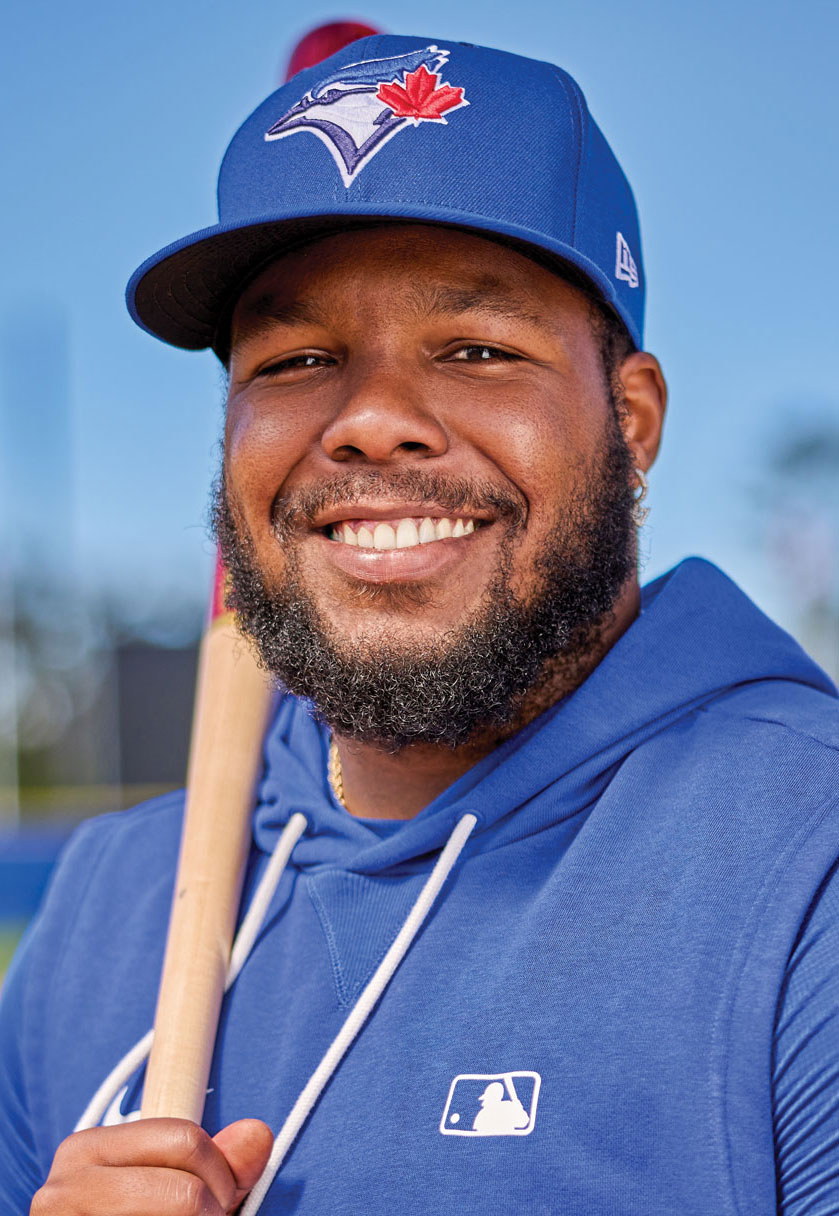
Vladimir Guerrero Jr.
First baseman
“It’s not basketball. It’s baseball. All nine players have got to do their job”
That’s a good story. It’s the kind of thing you’d want to hear from your leader, and—let’s give full credit to a ballplayer’s superhuman ability to forget past failures—maybe Guerrero even believes it. But, for fans, the sting of last year will take longer to heal.
The 2025 season felt like a series of miracles falling from the sky. How many divine interventions could one reasonably expect? There was 36-year-old George Springer, launching bombs like a man a decade younger. There was Ernie Clement, hitting everything in sight, and Trey Yesavage—all six feet four inches of him—raining down splitters from that ungodly height. At a grouchy moment in Toronto history—when the most unifying civic experience available was probably standing with our fellow passengers, straining to hear yet another muffled TTC delay announcement—the chance for an entire city to embrace this unlikely team was the rarest of gifts. The loss, when it came, felt like so many once-in-a-lifetime opportunities squandered.
Related: The Blue Jays will open a new Hall of Excellence for the team’s 50th season
The Blue Jays organization doesn’t think of it that way. They appreciate the season, of course, and understand the difficulty of getting back to the highest level of the sport. But the team’s ownership and management don’t consider last year’s run a matter of impossibly good fortune. They see it as the result of years of careful construction, on the business side and the baseball side, finally paying off. The team’s brass has been saying the same thing for years, though the words seemed meaningless to fans when the results on the diamond didn’t back them up. There is no reason that the Blue Jays shouldn’t compete at the top of the league every year. If all goes to plan—a giant if in pro sports—2025 will not be seen as a miraculous season. In their telling, at least, it will be the year the rest of the world finally noticed what the Jays had been building all this time.
In the quiet morning after game seven, Edward Rogers III—chair of the Blue Jays, one of the wealthiest men in Canada, survivor of a Succession-esque struggle for control of his family company—didn’t know what to do with his feelings. Like everyone watching the team last fall, the 56-year-old had experienced the wins and losses as a series of endorphin spikes and serotonin-depleting lows. Now, suddenly, all that was over. “It was kind of like you almost lost a buddy,” he told me. How do you get over something like that? He called someone who had more experience with devastating sports losses, a man he’d hired 10 years earlier, Blue Jays president and CEO Mark Shapiro.
In Shapiro’s telling, Rogers was at sea. “He said, ‘It feels like there’s a loss beyond the loss of the game, that this is over. How do you move forward?’” Shapiro told him: “Moving forward is easy. It’s the only thing I know, and it’s the only way to get past it. The way you move forward is you get back to work.”
Related: Edward the Conqueror—The unlikely ascent of Canada’s telecom king
Shapiro related the story from his office on the second floor of the player development complex one afternoon in February. He’s a Princeton graduate. The Fountainhead by Ayn Rand is his bible, and he seems to approach each season as if there were a pennant to be won for sober managerial acumen. In other words, he’s not the kind of sports executive who naturally captures the hearts of fans. He was brought in after the 2015 season and was sometimes treated as an interloper—the corporate suit who had pushed out Canadian boy Alex Anthopoulos. Back then, Shapiro recalled, he used to carry around a copy of the Teddy Roosevelt quote that now sits in a frame on his office wall. “It is not the critic who counts,” it begins, encouragingly. “The credit belongs to the man who is actually in the arena.”
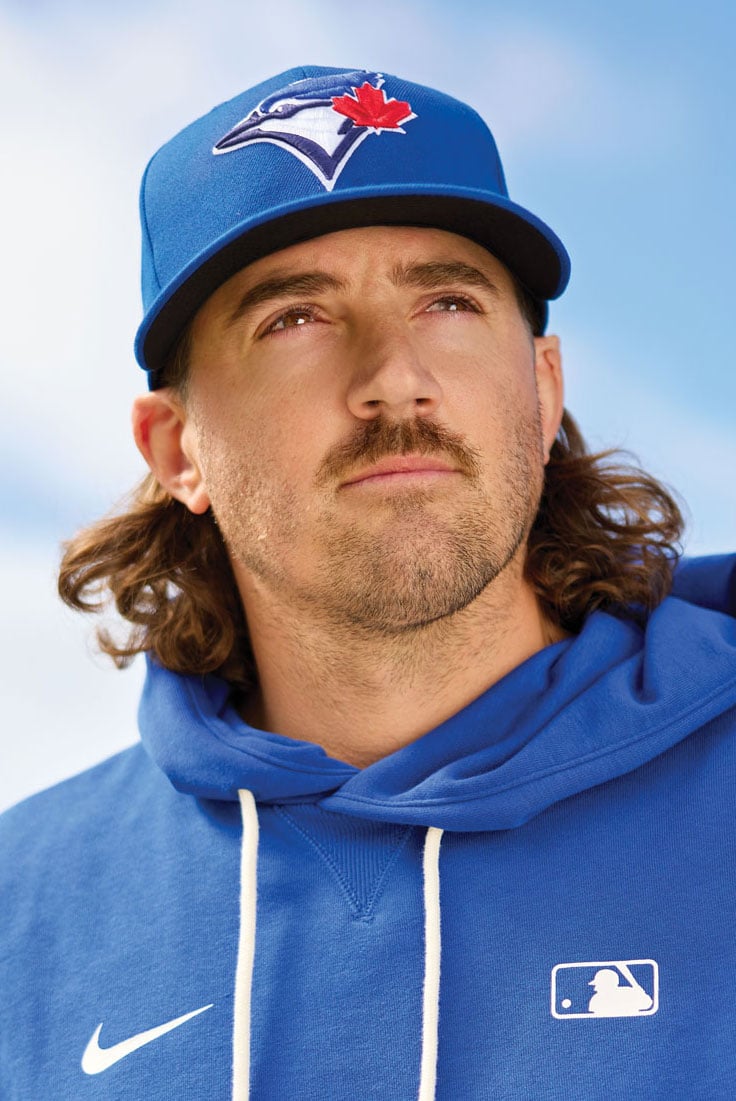
Kevin Gausman
Pitcher
“Last year’s team was so special. And a lot of the guys are back, so it’s an exciting time.”
But, if fans and the media weren’t particularly warm, one person did appreciate him: Rogers. As the man in charge of both the baseball and the business sides of the operation, Shapiro has an extremely rare role among MLB executives. The ultimate dream for any owner is to build a profitable sports business entirely divorced from the frustrating unpredictability of winning games. That’s unlikely in most cases (the Leafs are an exception), but Shapiro’s goal, on the financial side, was to “soften the valleys” when the team underperformed and “heighten the peaks” when the Jays were winning.
In those early days, he sold Rogers on a long-term vision for the Jays: “to invest in the facilities and the experience for our players, to attract the best players, to keep our players healthy, to build a culture where these guys like each other.” Of course, this couldn’t have been the first time Rogers had heard someone call for investment. For years, it had been clear to outsiders that the big-market Jays were too often spending like a team playing in a city a fraction of Toronto’s size. But something about Shapiro’s message clearly got through. “I knew if we could do that, and invest in the payroll side, that we had a formula for something that could be very special,” Rogers said.
Related: A Brief History of the Toronto Blue Jays
The Jays organization deserves credit for following that plan. They completed a massive $400-million renovation of the Rogers Centre, transforming it from a cavernous multi-use stadium into a ballpark worthy of a winning team. They shifted seats to actually face the infield and carved out various hang-out spots throughout the park—patios, bars and places for kids to play—designed with the idea that a trip to the ballpark should be a fun afternoon even if your team is losing. Just as importantly, they invested heavily in the players’ clubhouse and the facilities for their families, with a lounge for spouses and a kiddie paradise with a ball pit and a treehouse-like climbing structure—all part of a concerted effort to make the partners and kids of players feel welcome and comfortable.


1977
The Original Era

1997
Maple Leaf Forward

2003
The T-Bird

2004
The Angry Bird

2012
Back to Basics

2020
Less Is More
2026
The 50th
1977
The Original Era
1997
Maple Leaf Forward
2003
The T-Bird
2004
The Angry Bird
2012
Back to Basics
2020
Less Is More
2026
The 50th
1977
The Original Era
1997
Maple Leaf Forward
2003
The T-Bird
2004
The Angry Bird
2012
Back to Basics
2020
Less Is More
2026
The 50th
1977
The Original Era
1997
Maple Leaf Forward
2003
The T-Bird
2004
The Angry Bird
2012
Back to Basics
2020
Less Is More
2026
The 50th
At the complex in Dunedin, they built a sprawling state-of-the-art facility that Shapiro talks about as far more than just a physical upgrade. “It’s about demonstrating to our players that we care about them, that we’re tirelessly and relentlessly thinking about how to help them be the best they can possibly be,” he said.
On the baseball side, Shapiro brought along executive Ross Atkins, vice-president of player personnel in Cleveland, and made him general manager. Together, they began adding key pieces to the team’s young core. Signing star free pitcher Hyun-Jin Ryu in 2019 was the first indication that this iteration of the Jays, so often passed over by the best free agents in the league, was building something different. The team added George Springer in 2021, then Kevin Gausman, perhaps the team’s best free-agent signing ever. It brought in pitchers Chris Bassitt and Jeff Hoffman; found players like Ernie Clement, who was signed to a minor-league contract in 2023; and drafted and nurtured prospects such as Trey Yesavage.
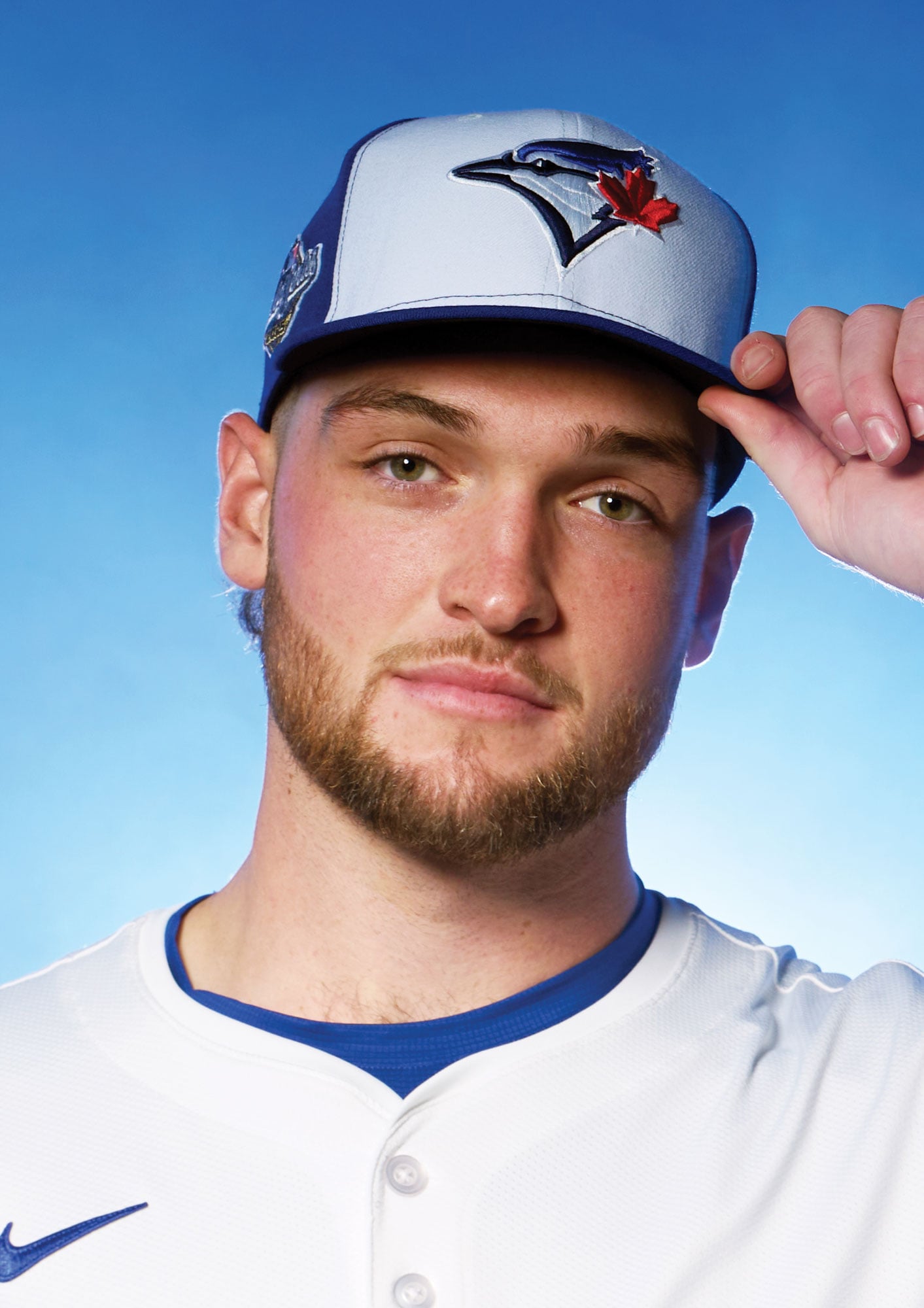
Trey Yesavage
Pitcher
“I get stopped all the time. Everywhere I go, people ask for pictures, autographs”
Not every move was a success—less than two years in, injured slugger Anthony Santander’s five-year contract hangs over the franchise—but the batting average was admirable. Those signings bolstered the team and created their own momentum. “When I got here 10 years ago, I was told you’re going to have to overpay guys, no one will come to Toronto,” said Shapiro. No longer.
This past fall, as the Jays pursued one of the top pitchers available, Dylan Cease, the team’s culture could speak for itself. Like so many players in the past, Cease had questions about playing in Canada, but this time was different. Cease knew Gausman a little, so he asked if he could give him a call. And Gausman was able to tell him what he had experienced first-hand. “I said, ‘Listen, this organization has only gotten better since I’ve been here,’” Gausman told me. He described the team, the fans, the support, the feeling of playing for an entire country. “If you don’t want to sign up for that, I think you’re crazy,” he told the pitcher. Cease signed. So did sought-after reliever Tyler Rogers and Cody Ponce, both fathers who cited the organization’s growing reputation for taking care of players’ families as one of their reasons for joining.
Tyler Rogers told MLB.com reporter Keegan Matheson that the people he asked about playing for the Jays didn’t say, “You’re going to like being in Toronto.” They said, “You’re going to love it.” After failing to land high-profile Japanese players Shohei Ohtani and Roki Sasaki in recent years, the team signed star slugger Kazuma Okamoto, who came over from the powerhouse Yomiuri Giants of the Nippon Professional Baseball league in January. And Edward Rogers, true to his word, paid the bills. The team began the season with the fifth-highest payroll in the league—behind only the Dodgers, Mets, Yankees and Phillies. It was spending worthy of a big-market team.
That payroll, along with the World Series run, has raised expectations for this season’s Blue Jays. From his office in Dunedin, however, Shapiro refused to acknowledge any increase in pressure. Over and over, across the years, Shapiro has been consistent with his message. The team would be patient and would not be swayed by the variance that can come with any single baseball game or even an entire season. In 2024, a disappointing year in which the team finished last in the AL East, Shapiro saw a lot of good that wasn’t necessarily captured by the team’s record over 162 games. “We can’t evaluate it on 162 data points that are just outcome based,” he said. That kind of talk is infuriating to a fan when your team is losing. But it has a different ring coming off a World Series appearance.
The first days of any season are languid, filled with light group exercise—wind sprints and grounders, nothing more intense than you’d find at a mid-level Zumba class. Baseball is, statistically, about 90 per cent hanging out, and spring training is a good place to get warmed up.
In Dunedin in early February, the players trickled into the Jays’ complex. Dylan Cease was there early, the moustachioed pitcher ambling through the clubhouse in an Aladdin shirt, a fresh addition to his growing collection of vintage Disney tees. Addison Barger showed up with shoulders somehow broader than last season—surely too square to fit on any conventional pull-out couch—and quickly installed himself at the team’s ping-pong table. George Springer pulled up to the complex with his two young sons. “C’mon!” he said, guiding his two-year-old toward the clubhouse. “The quickest way to get un-shy is just to walk through the door.”
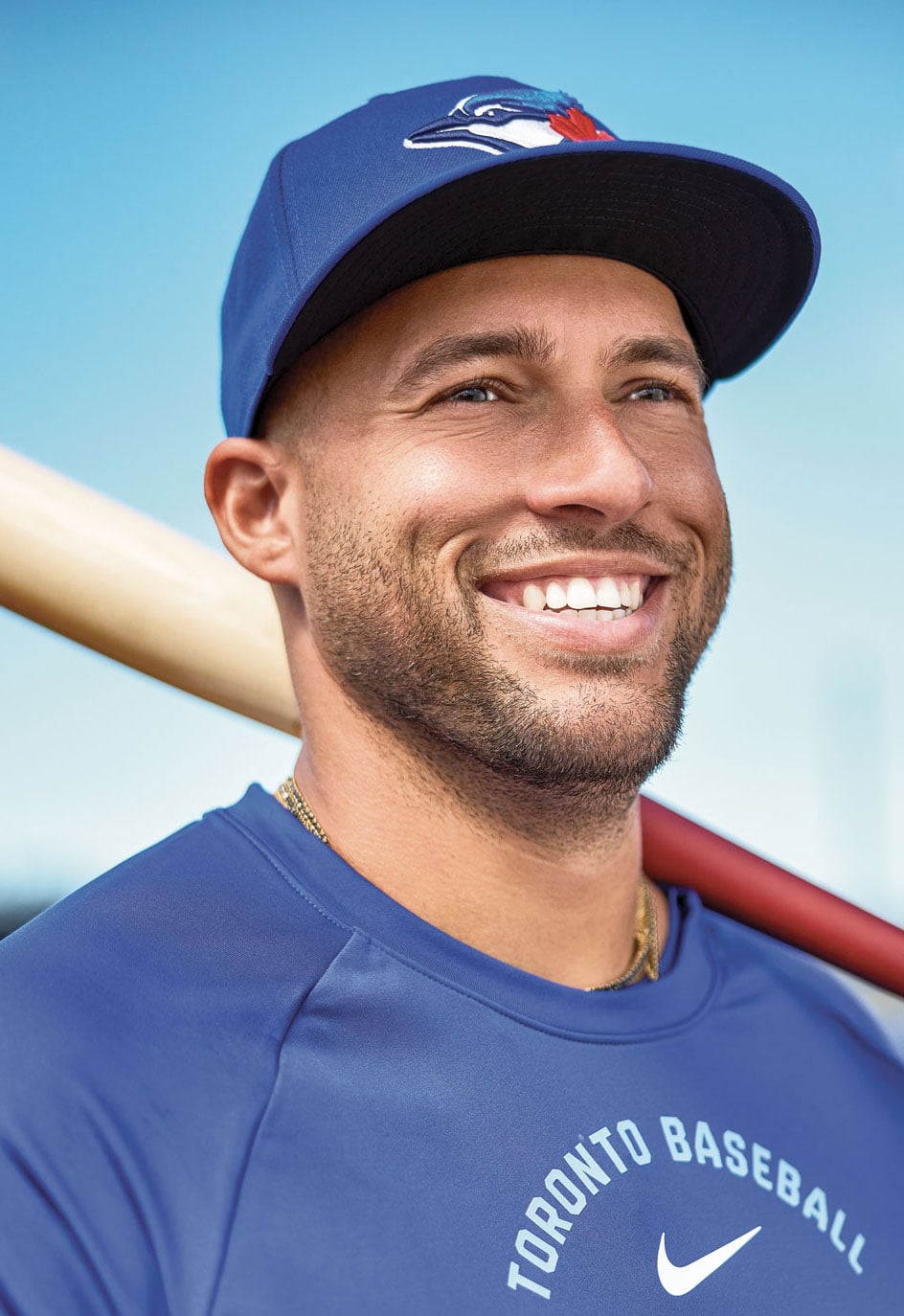
George Springer
Right fielder
“There’s so much good, so much to hang our hats on”
Kazuma Okamoto was trailed by a dozen members of the Japanese media, who documented his every move. The slugger with the smooth swing had been a bit of a mystery, and in his first media appearance he was asked the question everyone was dying to know: what was he actually like? “Very serious and very manly,” said Okamoto, stone-faced. He waited a beat—long enough that you could feel the assembled reporters begin to squirm—before cracking a smile, sending everyone laughing in relief. He would fit in fine.
As the players showed up, the fans followed—kids in Jays caps craning to see their heroes and middle-aged autograph hounds calling out to players from a fenced-in area in the parking lot. Sandra Hannaford, a slim silver-haired woman in a lilac Nike sweatshirt, took in batting practice with her brother. They were there, the brother explained, to watch how the Jays geared up for the season. “Truth be known, I want to see Ernie Clement,” Hannaford said conspiratorially, with a girlish laugh. “He’s just so kind. He’s genuinely kind, I think.”
Clement—boyish grin, nifty glove, respectful swagger—is a ballplayer seemingly designed in a lab to appeal to baseball-loving grandmothers everywhere. More than almost any other Blue Jay (Yesavage may be the exception), Clement’s life was transformed by last season. From a utility infielder fighting for a spot in the lineup to one of the faces of the franchise, a media darling and a fan favourite. In the clubhouse this spring, he admitted that he was stopped for more pictures and autographs now. “But, other than that, I’m not going to change,” he insisted. “I am who I am.”
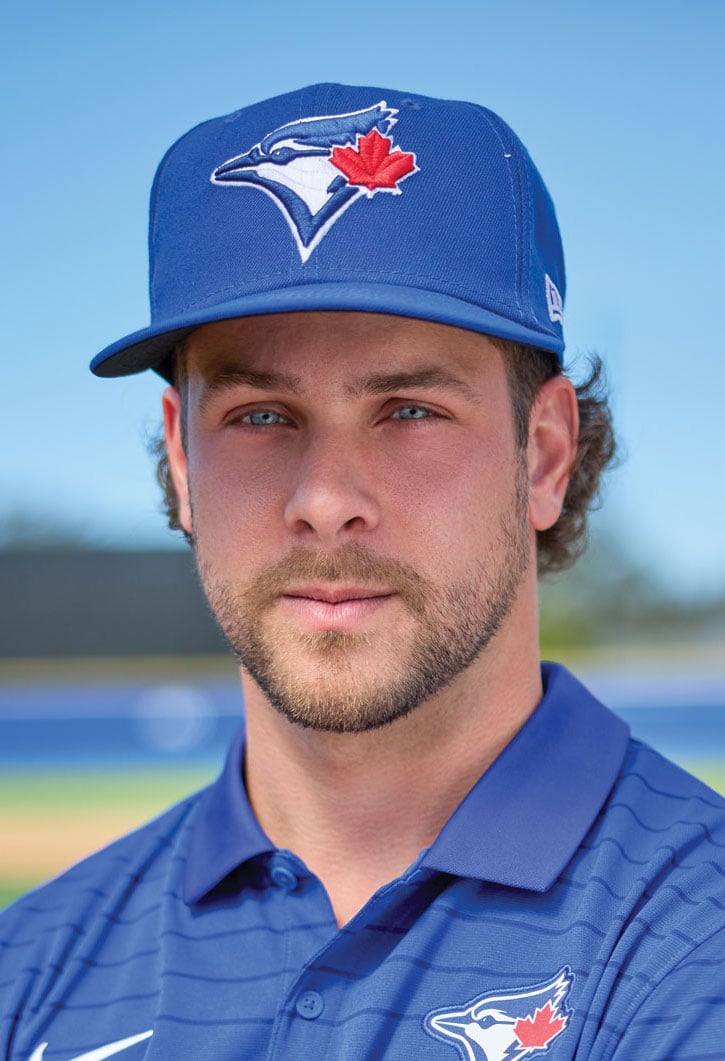
Ernie Clement
Third baseman
“Baseball players play every day, so you have to be able to turn the page, whether it’s good or bad”
One of the lasting images of the 2025 season was of a tear-stained Clement, still in his uniform hours after game seven ended, pouring his heart out. “I just love these guys so much,” he said, welling up all over again. “All I care about is just hanging with these guys for another couple hours.” That bond, that love, was genuine. It wasn’t some PR creation. The players talk about it constantly; the players’ wives post about it on Instagram; opponents can see it from across the field.
“That doesn’t happen by accident,” said Shapiro. Chemistry, culture, whatever you want to call it—those were top of mind for the Jays while acquiring players and developing them. “They’re, in my opinion, the most important pieces of the equation and the hardest pieces of the equation to assess and evaluate,” said GM Ross Atkins.
The Jays, like every team, measure players across every statistical metric imaginable. But, as of yet, there’s no sabermetric analysis available to tell you whether someone is going to be incredibly annoying to hang out with over the course of a long season. “If you’re looking for what makes good teams great, what enables teams to outperform the objective expectations? Yeah, it’s usually something special, something unique, something that can’t be measured,” said Shapiro.
Over the course of last season, manager John Schneider could see that clubhouse culture blooming and was eager to figure out how to nurture it. “We were asking guys, ‘Hey, was it the card games in the clubhouse? Was it what we were doing on the plane?’” The truth, he realized, was that as much as the organization tried to create the right environment, the culture was ultimately something created over the years by the players themselves. But, now that it was set, Schneider said, it felt solid enough to accommodate any number of new characters. More than that, the clubhouse chemistry was something new Blue Jays came in expecting. “I’ve said to these guys, ‘There’s a new norm,’” said Schneider. “We can’t let people down that are coming into our environment.”
One afternoon this February, I was waiting for a call from Rogers for an interview with CEO Tony Staffieri when the phone rang. The call display read “ROGERS,” but when I answered, the line was slightly garbled and I couldn’t quite understand the woman on the other end. It took me a moment to realize that she was trying to sell me a new internet plan. “I’ve got to go, I’m speaking to the CEO of Rogers in a minute,” I said before hanging up. Two minutes later, Staffieri was on the line, gushing about how proud he’d been to see the team play so well last season.
For Staffieri and his boss, that’s the biggest opportunity this team offers: a chance to change Canadians’ immediate association with the name Rogers from “all-powerful telecom hegemon that annoys you with unending sales calls” to “beloved supporter of all your favourite baseball friends.” Being able to make that association in Canadians’ minds is invaluable, Staffieri explained, “because if they’re not Rogers customers today, maybe they’ll think more favourably the next time they need to make a decision about their cable and wireless services.”
Edward Rogers took the idea a step further: “Historically, people would have seen sports as different than telecom, different than sports broadcasting,” he said. “But we look at the value as one.” The vision, inspiring or slightly horrifying depending on your point of view, is of a money-printing ouroboros of sports content—a lovable Jays team that drives subscriptions and eyeballs to Rogers Sportsnet, which airs the games and takes every opportunity to push the Rogers brand, so you buy your cable from them, where you watch the team you love, on Sportsnet, and so on and so forth until Vladimir Guerrero Jr.’s $500-million contract looks like the meagrest of line items. This year, Rogers is expected to complete its acquisition of MLSE, becoming the full owner of most of the rest of this city’s sports teams—the Maple Leafs, the Raptors, Toronto FC and the Argonauts. The Jays’ success is the driving force for what the company calls its “third pillar” of growth beyond its cable and wireless empire.
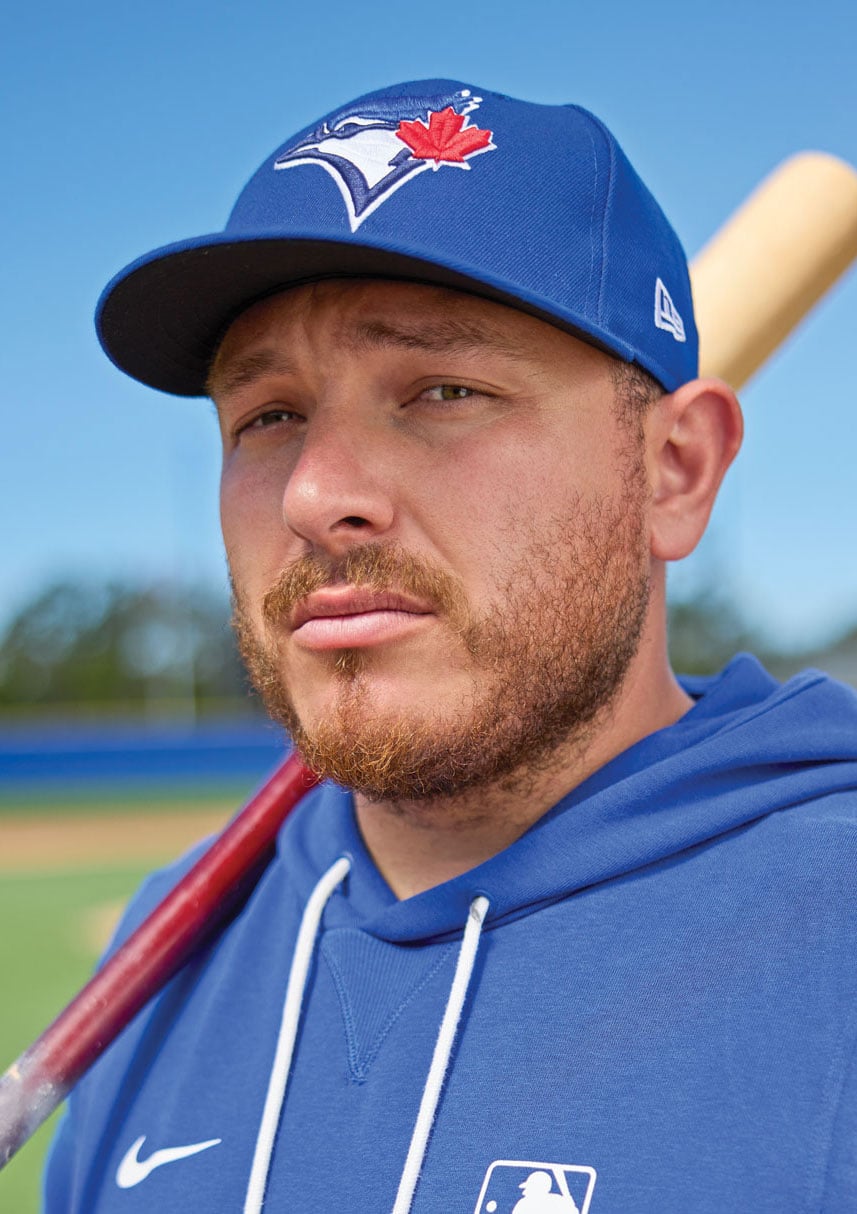
Alejandro Kirk
Catcher
“The most important thing as a team is to stay focused on what got us there”
Those grand plans, however, hinge on a winning team that people care about. And unlike most endeavours in the telecommunications business, baseball success is hard to chart on a spreadsheet with any accuracy. It is precarious, dependent on the finicky bodies of a handful of talented, somewhat neurotic men. A torn ACL, a prolonged hitting slump—there are so many ways things can go sideways, especially in the American League East, the toughest division in baseball. What if players like Springer and Gausman begin to show their age? What if Okamoto’s success in Japan doesn’t translate to the big leagues? What if no one can make up for the departure of Bo Bichette? Chemistry is easy to maintain when a team is winning, but a losing streak could test just how durable the culture they’ve built really is. Rogers has shown himself willing to spend, but how much patience would ownership have to carry a giant payroll if the team finishes in last place, as it did two years ago?
In Dunedin, it was better not to pursue those negative thoughts. Spring training is for dreaming. In the Florida sun, before the first meaningful pitch of the season, you could squint and see the outlines of a winning team. Dylan Cease elevating a strong pitching staff into an elite one. A healthy Daulton Varsho having a breakout year. Alejandro Kirk continuing to shine. And players like Ernie Clement and Addison Barger bringing some of their postseason magic to a full 162 games.
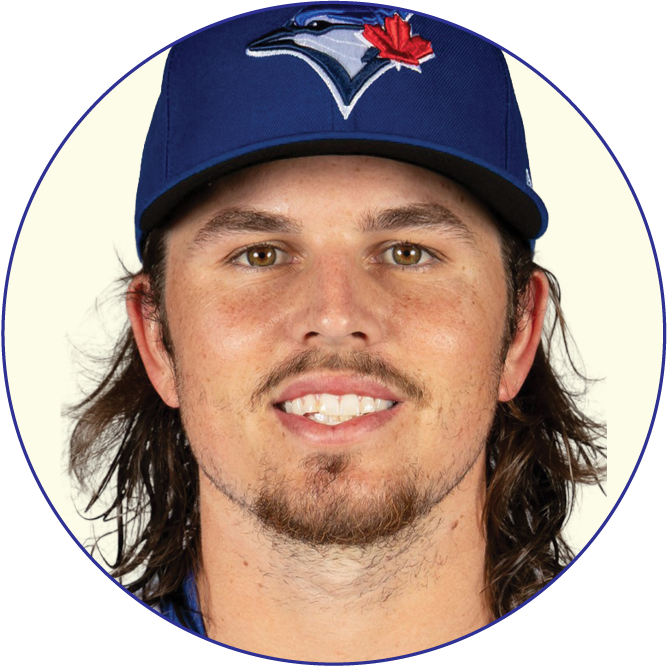
Addison Barger
Third baseman and outfielder
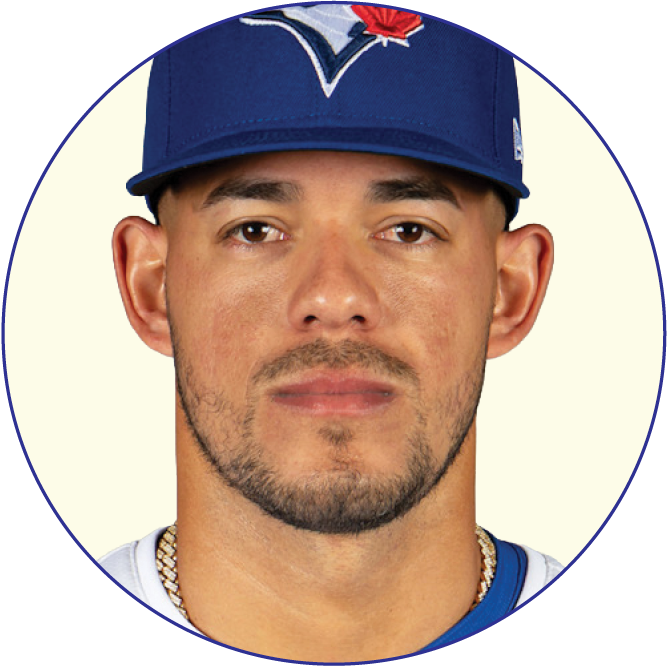
José Berríos
Pitcher
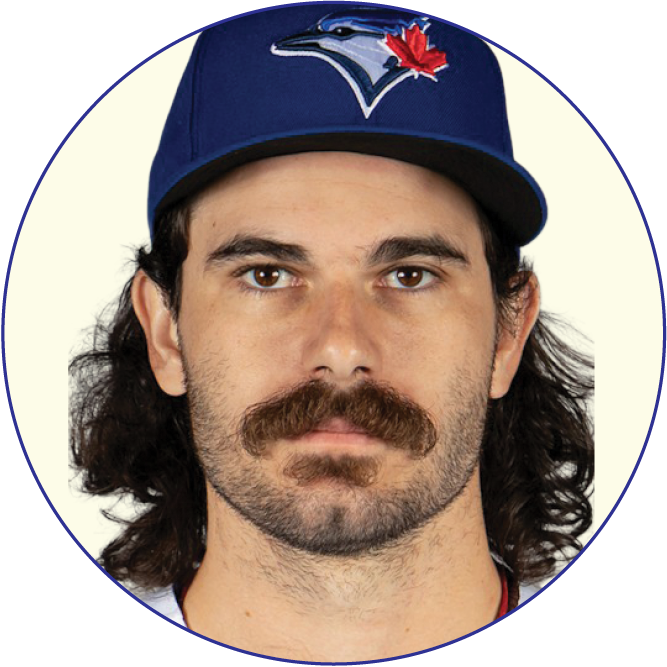
Dylan Cease
Pitcher
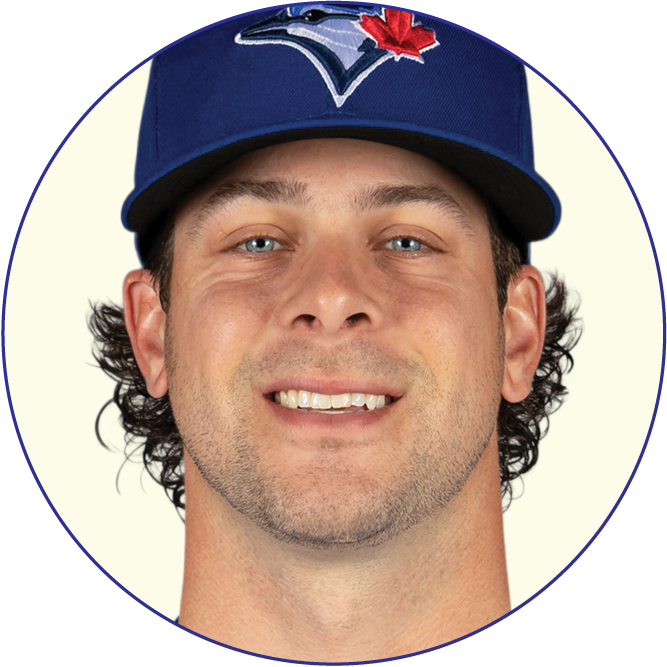
Ernie Clement
Third baseman
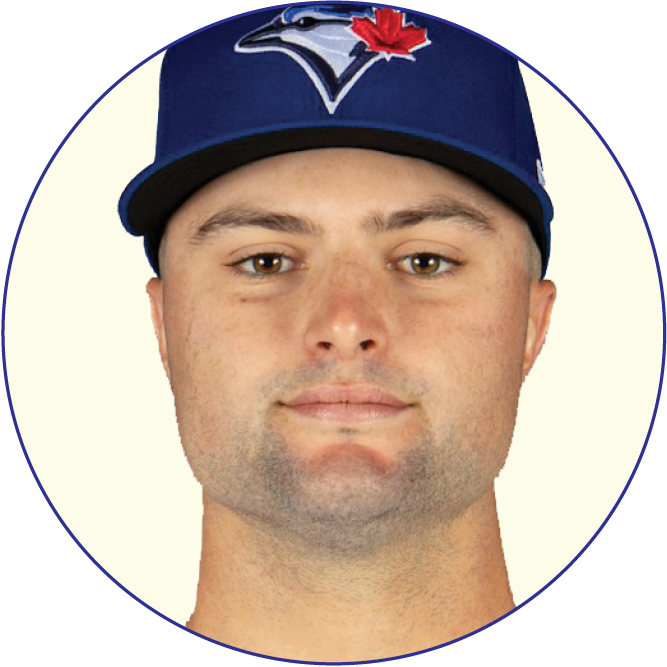
Mason Fluharty
Pitcher
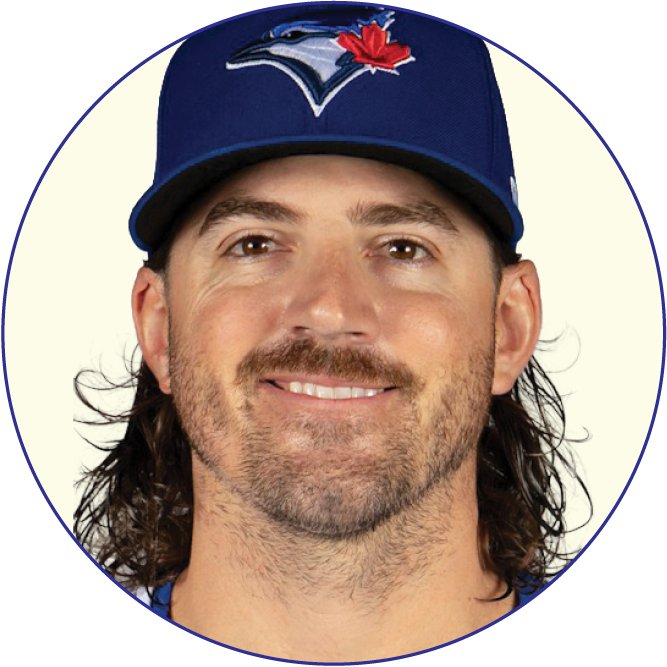
Kevin Gausman
Pitcher
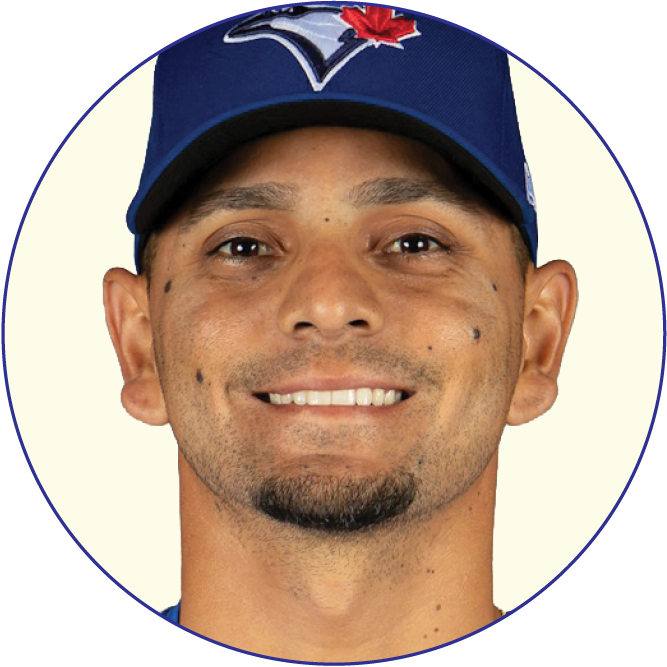
Andrés Giménez
Second baseman and shortstop

Vladimir Guerrero Jr.
First baseman
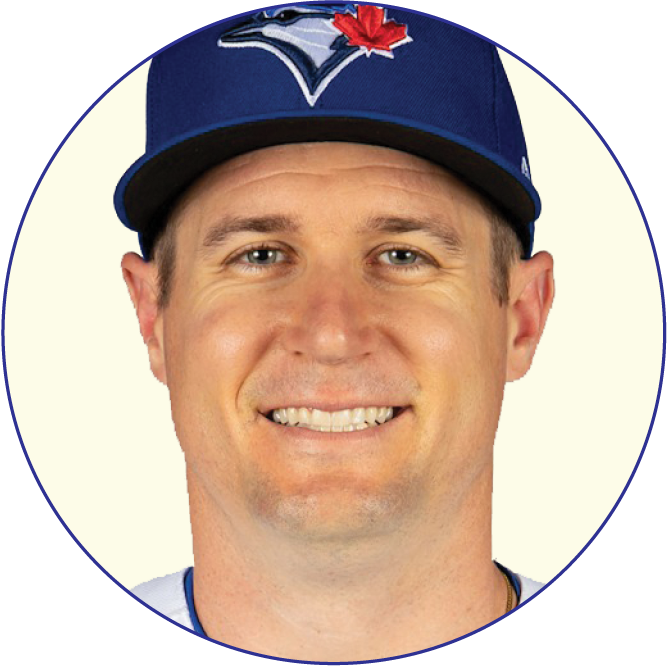
Tyler Heineman
Catcher

Jeff Hoffman
Pitcher
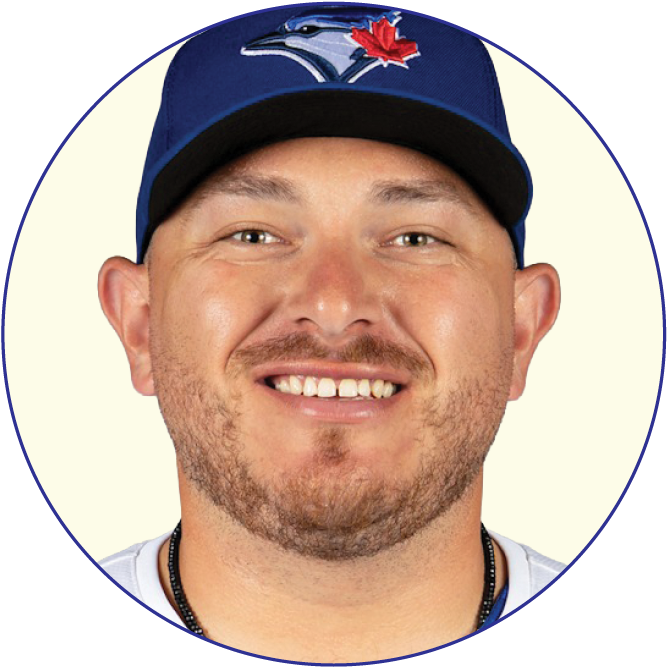
Alejandro Kirk
Catcher

Eric Lauer
Pitcher
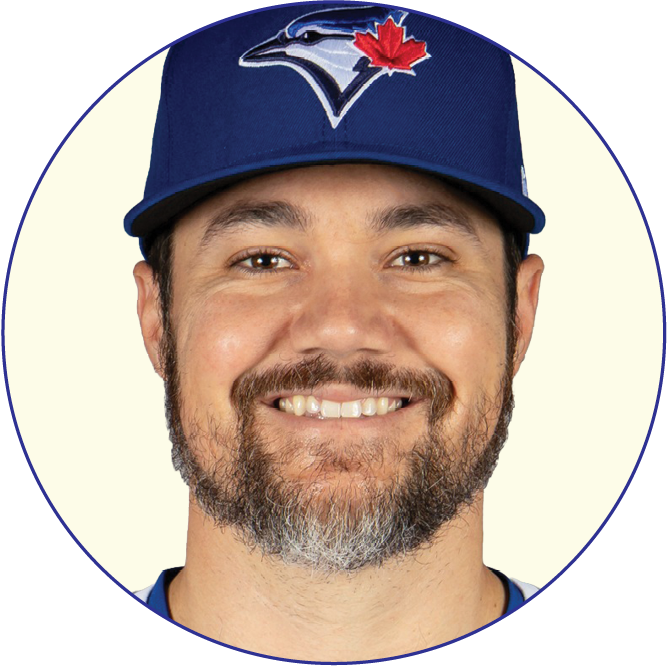
Brendon Little
Pitcher
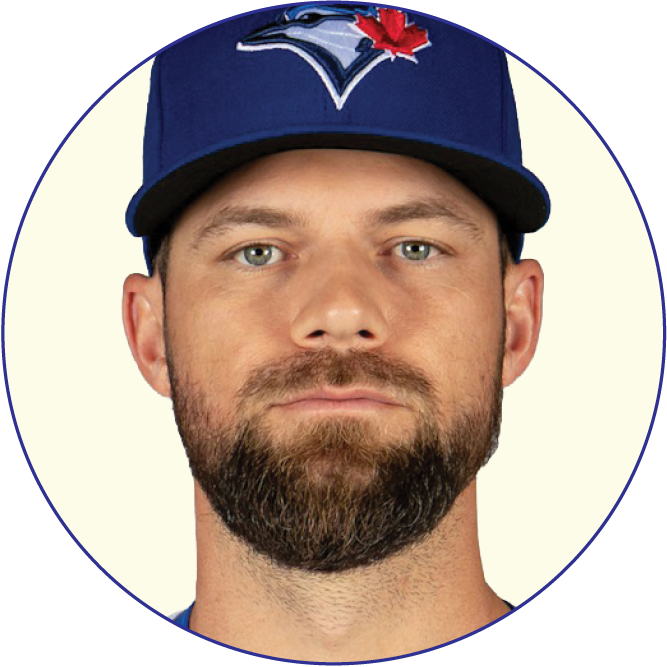
Nathan Lukes
Outfielder
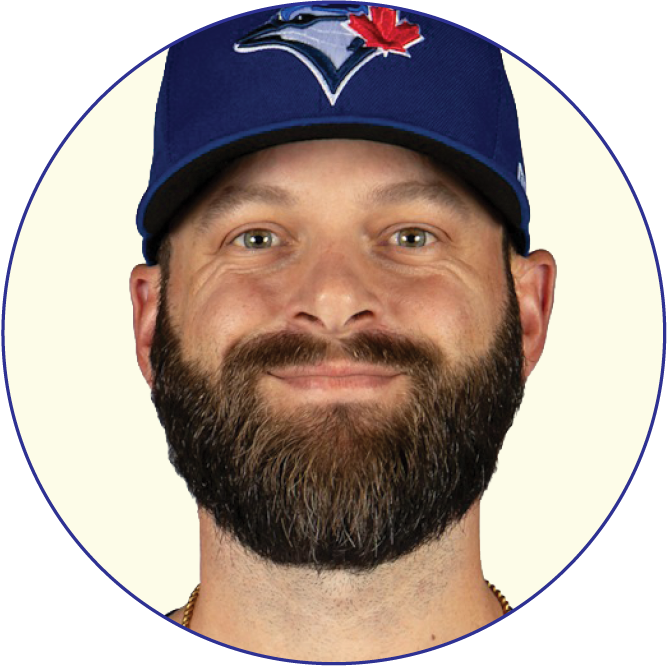
Tommy Nance
Pitcher
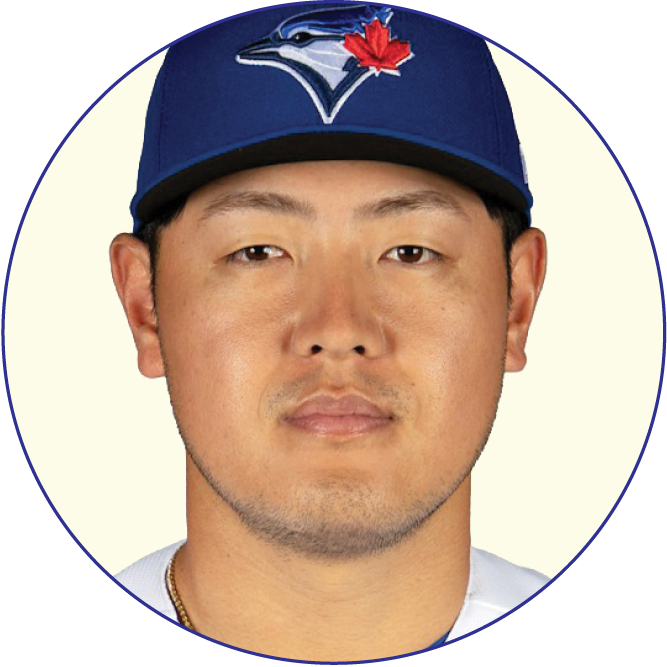
Kazuma Okamoto
Infielder

Cody Ponce
Pitcher

Tyler Rogers
Pitcher

Jesús Sánchez
Outfielder

Max Scherzer
Pitcher
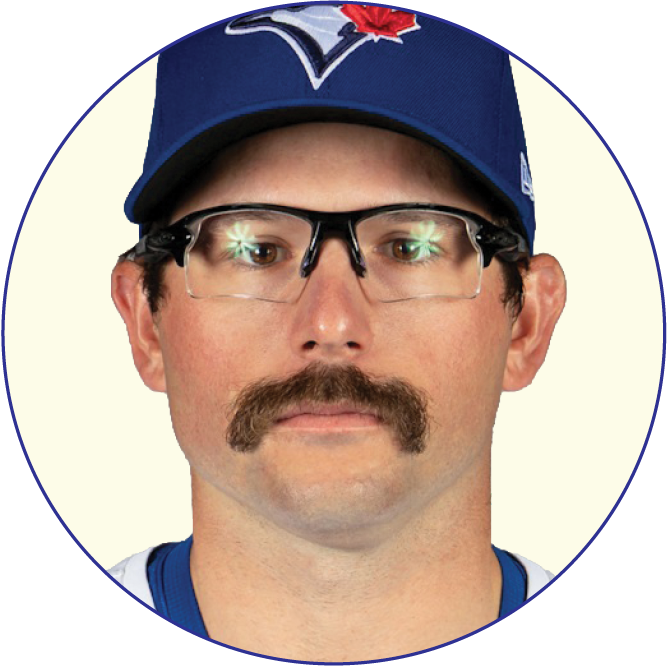
Davis Schneider
Infielder and outfielder
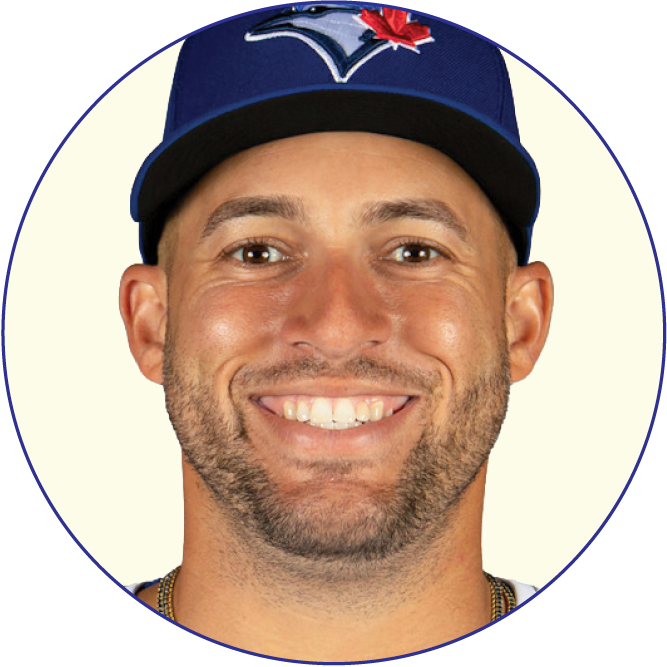
George Springer
Right fielder

Myles Straw
Centre fielder

Louis Varland
Pitcher

Daulton Varsho
Outfielder and catcher

Trey Yesavage
Pitcher
Addison Barger
Third baseman and outfielder
José Berríos
Pitcher
Dylan Cease
Pitcher
Ernie Clement
Third baseman
Mason Fluharty
Pitcher
Kevin Gausman
Pitcher
Andrés Giménez
Second baseman and shortstop
Vladimir Guerrero Jr.
First baseman
Tyler Heineman
Catcher
Jeff Hoffman
Pitcher
Alejandro Kirk
Catcher
Eric Lauer
Pitcher
Brendon Little
Pitcher
Nathan Lukes
Outfielder
Tommy Nance
Pitcher
Kazuma Okamoto
Infielder
Cody Ponce
Pitcher
Tyler Rogers
Pitcher
Jesús Sánchez
Outfielder
Max Scherzer
Pitcher
Davis Schneider
Infielder and outfielder
George Springer
Right fielder
Myles Straw
Centre fielder
Louis Varland
Pitcher
Daulton Varsho
Outfielder and catcher
Trey Yesavage
Pitcher
Addison Barger
Third baseman and outfielder
José Berríos
Pitcher
Dylan Cease
Pitcher
Ernie Clement
Third baseman
Mason Fluharty
Pitcher
Kevin Gausman
Pitcher
Andrés Giménez
Second baseman and shortstop
Vladimir Guerrero Jr.
First baseman
Tyler Heineman
Catcher
Jeff Hoffman
Pitcher
Alejandro Kirk
Catcher
Eric Lauer
Pitcher
Brendon Little
Pitcher
Nathan Lukes
Outfielder
Tommy Nance
Pitcher
Kazuma Okamoto
Infielder
Cody Ponce
Pitcher
Tyler Rogers
Pitcher
Jesús Sánchez
Outfielder
Max Scherzer
Pitcher
Davis Schneider
Infielder and outfielder
George Springer
Right fielder
Myles Straw
Centre fielder
Louis Varland
Pitcher
Daulton Varsho
Outfielder and catcher
Trey Yesavage
Pitcher
Addison Barger
Third baseman and outfielder
José Berríos
Pitcher
Dylan Cease
Pitcher
Ernie Clement
Third baseman
Mason Fluharty
Pitcher
Kevin Gausman
Pitcher
Andrés Giménez
Second baseman and shortstop
Vladimir Guerrero Jr.
First baseman
Tyler Heineman
Catcher
Jeff Hoffman
Pitcher
Alejandro Kirk
Catcher
Eric Lauer
Pitcher
Brendon Little
Pitcher
Nathan Lukes
Outfielder
Tommy Nance
Pitcher
Kazuma Okamoto
Infielder
Cody Ponce
Pitcher
Tyler Rogers
Pitcher
Jesús Sánchez
Outfielder
Max Scherzer
Pitcher
Davis Schneider
Infielder and outfielder
George Springer
Right fielder
Myles Straw
Centre fielder
Louis Varland
Pitcher
Daulton Varsho
Outfielder and catcher
Trey Yesavage
Pitcher
However you pictured it, though, any chance of repeating last year’s success, let alone going one step further, will revolve around Guerrero. He is already, at just 27, the longest-tenured Jay. He’s in the first year of a 14-year contract, at the end of which he will be the most consequential player in franchise history, if he isn’t already. For all of Shapiro and Atkins’s meticulous planning—their stadium renovations and minor-league signings and attempts to nurture culture—sometimes the success of a team comes down to just having a guy who can consistently crush a baseball harder than seems humanly possible.
In Dunedin, Guerrero was everywhere, irrepressible, fist-bumping security guards, working on his Japanese with Okamoto, yelling for someone to turn up the music during batting practice. On the first official day of training camp, while Springer was holding forth on the latest Minions movie he’d seen with his kids, Guerrero found a spot in the dugout. “What a life,” he said, plopping himself down. Then he got up and—on the very first live batting practice pitch of the very first official day of training camp—hammered a ball into the netting in left field, out toward where a pond sits in the distance. Where did he hit that? Springer wanted to know. “Right here,” said Guerrero, pointing to a spot high up the bat’s shaft. “No way, bro,” said Springer. Guerrero insisted. “If I hit it here?” he pointed to the bat’s sweet spot. “Water ball.”
Guerrero knows, of course, that so much of what the Jays are, and what they want to be, begins with him. When I spoke to him out by the bleachers in Dunedin, however, with fans yelling his name in the distance, he wanted to talk only about being a good teammate, about how excited he was to have all these newcomers, about the team getting better. “It’s not basketball. It’s baseball,” he said. It wasn’t a sport where any one player could dominate. “All nine players have got to do their job.”
Almost all of the executives and players I spoke to this spring had cautiously avoided putting a specific name to the Blue Jays’ hopes this year. What upside was there, after all, in raising already high expectations to even greater heights? “Every year, when we start the season, we think we’ve got a competitive team that can make it to the playoffs,” said Rogers. Shapiro, a man who believes in not getting too low on failures or too high on success, was circumspect. “We were probably not as bad as people were saying we were a year ago,” he said, referring to the losing 2024 season. “We’re probably not as good as people are saying we are right now.”
When I asked Guerrero what his personal goals were for the season, however, he responded before the question was fully out of my mouth. “Win the World Series,” he said, ignoring his translator to speak directly. I laughed, somewhat taken aback. But, for himself, I rephrased, did he have any specific goals? He interrupted once more. “Win the World Series,” he said quietly, looking me straight in the eyes. And then he was gone, beaming again, wheeling off toward the clubhouse, not just facing reality but hoping, this year, to bend it to his will.
This story appears in the May 2026 issue of Toronto Life magazine. To subscribe, click here. To purchase single issues, click here.