Mayor Olivia Chow wants to go after luxury homes with a juiced-up Land Transfer Tax
Properties worth more than $3 million can expect an increase

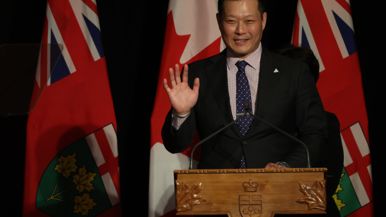
On Tuesday, Mayor Olivia Chow unveiled a proposal to hike the Municipal Land Transfer Tax on luxury properties, specifically targeting homes sold for more than $3 million. The move is designed to squeeze an additional $13.8 million out of the city’s highest-value transactions in 2026.
Related: $3.7 million for a Mount Pleasant oddity with a cathedral ceiling of six skylights
The proposal introduces a sliding tax scale that gets progressively steeper as the price tag rises. Under the new plan, the tax rate for homes valued between $3 million and $4 million would inch up to 4.4 per cent from 3.5 per cent. But ultra-wealthy buyers eyeing estates over $20 million will be hit harder, with a new top marginal rate of 8.6 per cent, up from 7.5 per cent. It’s a targeted revenue play that the mayor says will impact only the wealthiest two per cent of Torontonians.
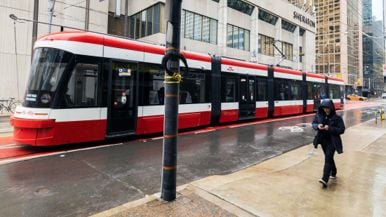
Chow is framing the hike as a necessary trade-off to protect the services of everyday Torontonians. Budget Chief Shelley Carroll has already warned that 2026 will be a “leaner” year and argues that Toronto’s top tier must help fund initiatives such as school nutrition and a third consecutive freeze on TTC fares.
Related: $2.9 million for a log cabin hidden in the forested hills of King Township
Naturally, the real estate industry isn’t popping champagne. The Toronto Regional Real Estate Board has long argued that high land transfer taxes gum up the works, discouraging wealthy owners from listing their homes and effectively freezing inventory that could otherwise trickle down to relatively less wealthy (but still multimillion-dollar-home-wealthy) buyers.
Chow’s timing here seems to be no accident. With the municipal election looming in October of 2026, the mayor gets to offer a major populist policy funded by a demographic that wasn’t voting for her anyway. It may annoy Forest Hill, but for most of the city, it’s an easy sell.